Table of contents
Embarking on the journey of LEI registration and renewal can seem daunting, especially with evolving regulatory requirements. Understanding each step in the process is key to ensuring compliance and smooth business operations. Explore the following paragraphs to uncover practical guidance and technical expertise for a seamless LEI experience.
Understanding LEI requirements
LEI registration is a foundational step for organizations engaging in cross-border financial transactions, as the legal entity identifier is a unique code that distinctly identifies legal entities participating in the global financial system. Entities such as corporations, trusts, funds, and even government bodies are often mandated to obtain this identifier to meet financial regulation and reporting requirements. These rules have been adopted by jurisdictions worldwide to ensure transparency, traceability, and reduce risks associated with market abuse and money laundering. Compliance with these global standard practices is not only a regulatory obligation but also a safeguard for the entity’s operational integrity. The Global Legal Entity Identifier Foundation (GLEIF) manages the integrity of the LEI system, accrediting local operating units and ensuring the system aligns with international best practices. It is strongly recommended that the chief compliance officer or legal counsel oversees LEI registration and renewal to maintain up-to-date records and consistent adherence to evolving regulations.
Preparing necessary documentation
Before beginning the LEI registration process, it is necessary to assemble specific LEI documents to streamline approval and ensure compliance. Entities must gather primary legal documents such as certificates of incorporation or registration, which act as legal entity proof, along with up-to-date documents showing proof of address and details of authorized signatories. To facilitate a seamless registration process, best practices recommend verifying the accuracy of all required paperwork before submission and retaining recent versions to reflect any organizational changes. Ensuring data accuracy in every document helps prevent delays due to discrepancies, which are common pitfalls during LEI registration and renewal procedures. For optimal results, an experienced corporate secretary or documentation specialist should handle all documentation, as their expertise in managing legal records can safeguard the process from avoidable errors. For a step-by-step guide and further assistance, visit LEI, an example of a dedicated service provider specializing in LEI registration and renewal.
Choosing a registration agent
Selecting a qualified LEI agent is a foundational step for organizations seeking to streamline the LEI registration and renewal process. Begin by verifying that the registration provider operates as an accredited agent, recognized by the Global Legal Entity Identifier Foundation (GLEIF) and functions with an authorized Local Operating Unit (LOU). Assess the provider’s reputation for responsive LEI support and strong customer service, as this will be valuable for managing changes throughout the LEI’s lifecycle. A practical checklist for agent selection should include: confirmation of the provider’s accreditation, transparent fee structure, multilingual support, a secure and user-friendly portal, comprehensive data protection measures, and clear policies for ongoing management and renewal reminders. It is recommended that the chief procurement officer or risk manager takes responsibility for evaluating and appointing the most reliable registration provider, ensuring accountability and compliance with regulatory requirements.
Completing the application process
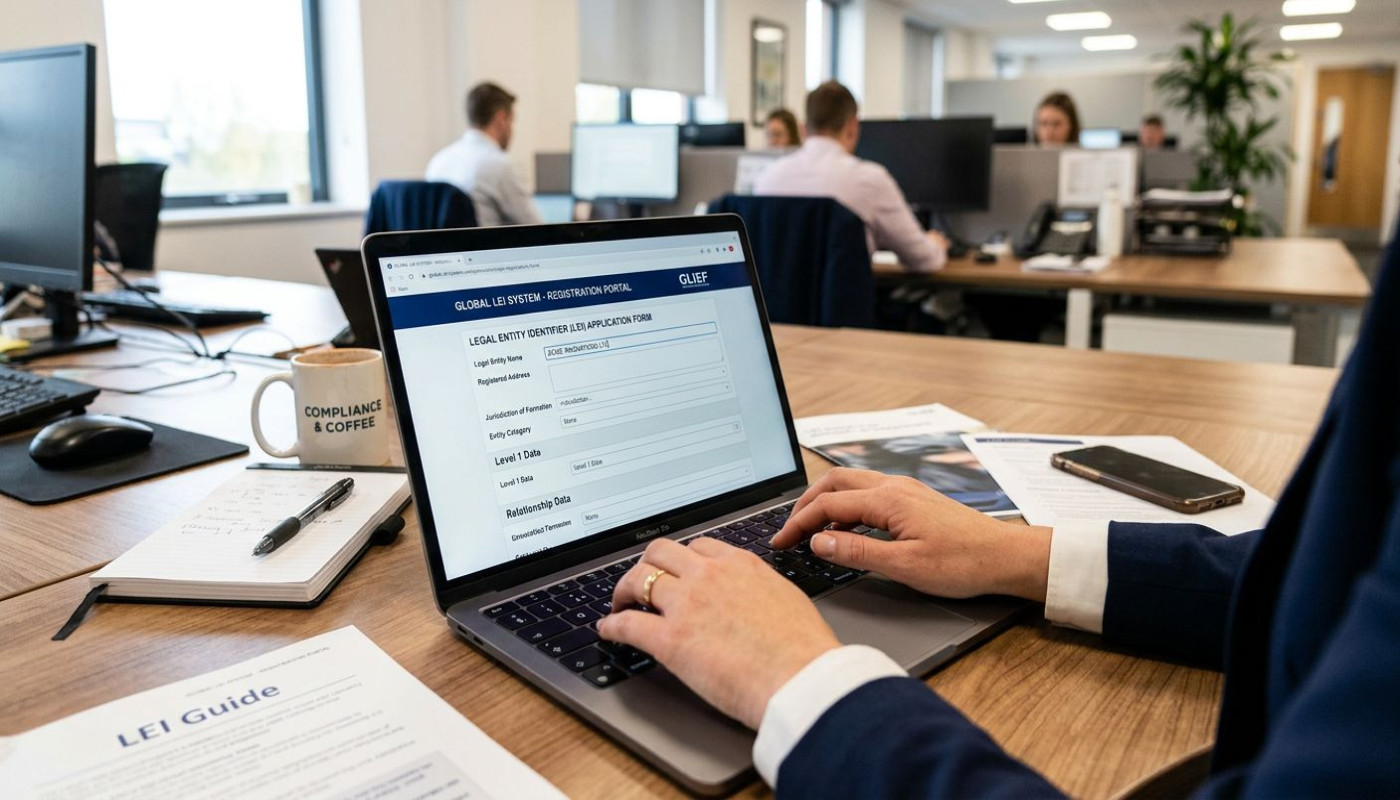
Filling out the LEI application begins by accessing the designated portal for online application. Carefully enter all required details during data entry, such as the entity’s legal name, registration number, and official address, ensuring accuracy to facilitate seamless entity validation. Once all information is provided, the verification process involves a thorough review of the submitted data against public registries and authoritative databases. If discrepancies or errors are identified during this stage, promptly address them by supplying supporting documentation or clarifying details, as these issues can delay approval. For payment procedures, select a secure payment method offered by the portal, complete the transaction, and confirm receipt of payment confirmation. To minimize the risk of mistakes and subsequent rejection, it is highly recommended that the head of compliance or the operations manager supervises the application submission, reviews all entries, and manages communication with the LEI issuer until confirmation of approval is received. This oversight ensures the LEI application meets regulatory standards, increasing the likelihood of swift and successful registration.
Managing LEI renewal and updates
Maintaining an active Legal Entity Identifier (LEI) requires ongoing attention to the annual renewal process, ensuring that the entity remains in good standing with regulatory bodies. Each LEI must be renewed during the designated annual renewal window, which starts one year from the original registration date. The compliance manager or corporate governance officer within the organization is typically responsible for overseeing LEI renewal, monitoring the precise timeline, and initiating the renewal process before the LEI lapses. In addition to timely renewal, it is necessary to update entity data if there are changes in company structure, ownership, or contact details throughout the year, as accurate information is a regulatory requirement.
Utilizing digital tools and automated compliance reminder systems can streamline these tasks and prevent accidental lapses. Many LEI management platforms offer built-in reminders and alerts to notify the compliance manager well ahead of the annual renewal window, reducing the risk of non-compliance. These tools also provide straightforward interfaces for updating entity data, allowing for quick and secure modifications whenever there are organizational changes. Ensuring that the renewal process and data updates are handled proactively not only supports regulatory compliance but also maintains the credibility and transparency of the entity in global financial markets.
Missing the annual renewal deadline can result in the LEI becoming inactive, which may disrupt the entity’s participation in financial transactions and reporting. Continuous oversight by the compliance manager or corporate governance officer, supported by reliable compliance reminder systems, helps guarantee that both the renewal process and any necessary updates to entity data are completed in a timely manner. This approach minimizes risks and demonstrates a commitment to regulatory best practices, making it an integral part of effective corporate governance.
Similar articles